Real Results from Better Reporting
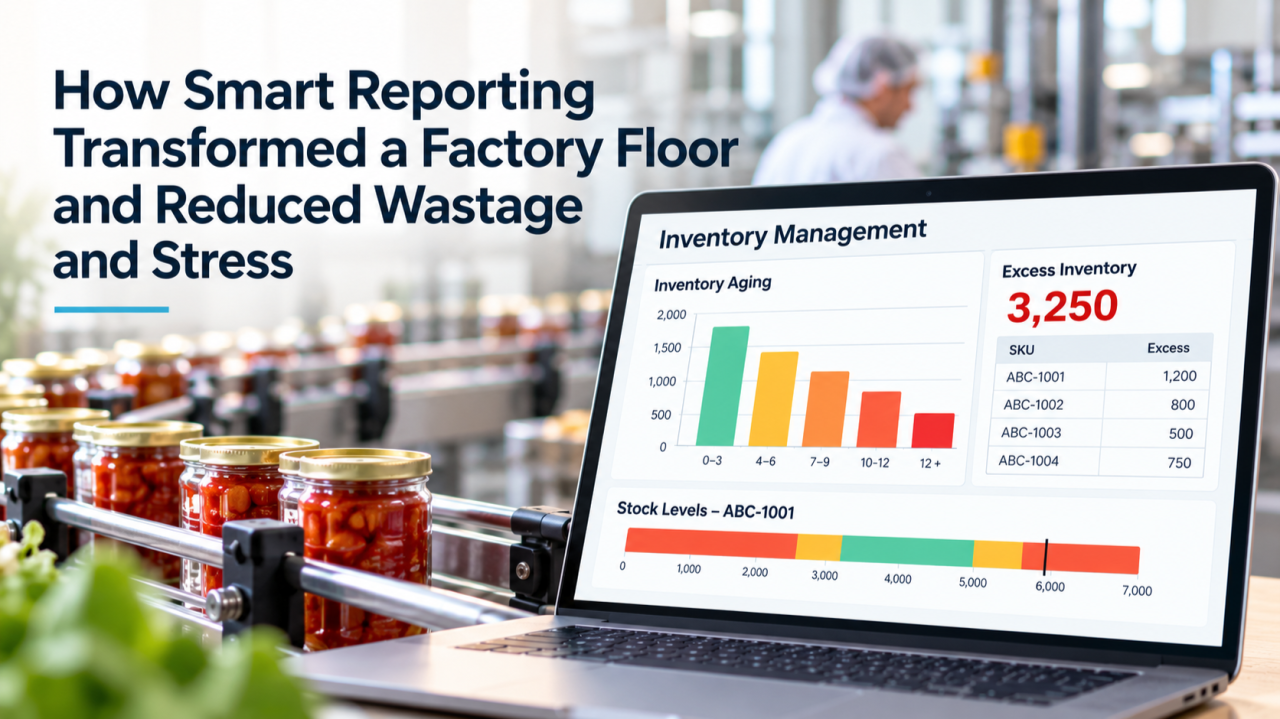
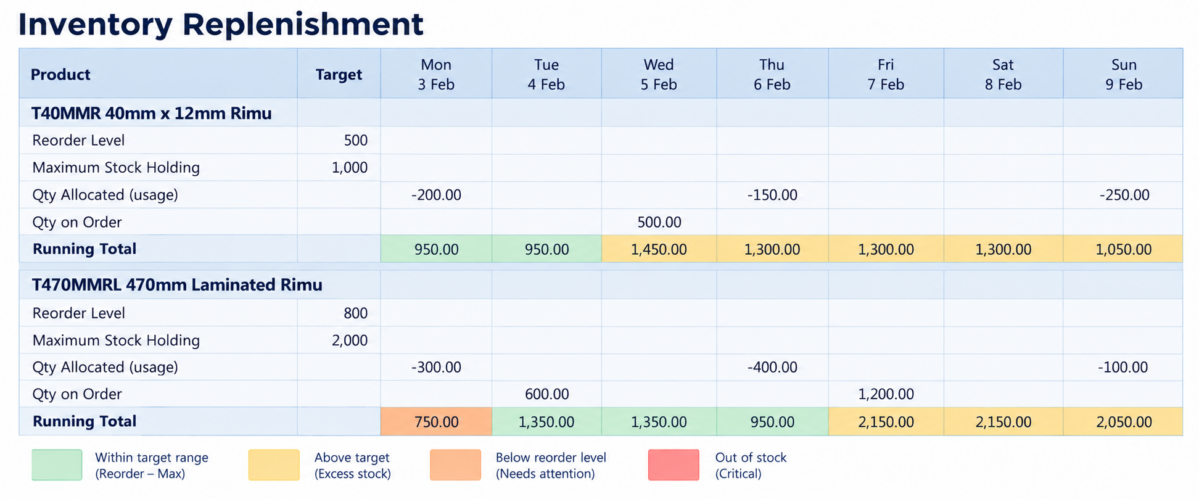
At a food manufacturing company, I helped design reports that reshaped decision-making across inventory, costing, and operations. The impact was immediate:
 Reduced warehouse clutter and freed up space
Improved cash flow and reduced stock levels by 20% . Excess stock became a thing of the past.
Fewer production reschedules due to missing stock.
Less product dumping.
Staff could focus on value-added work instead of firefighting
Substantial reduction in workplace stress
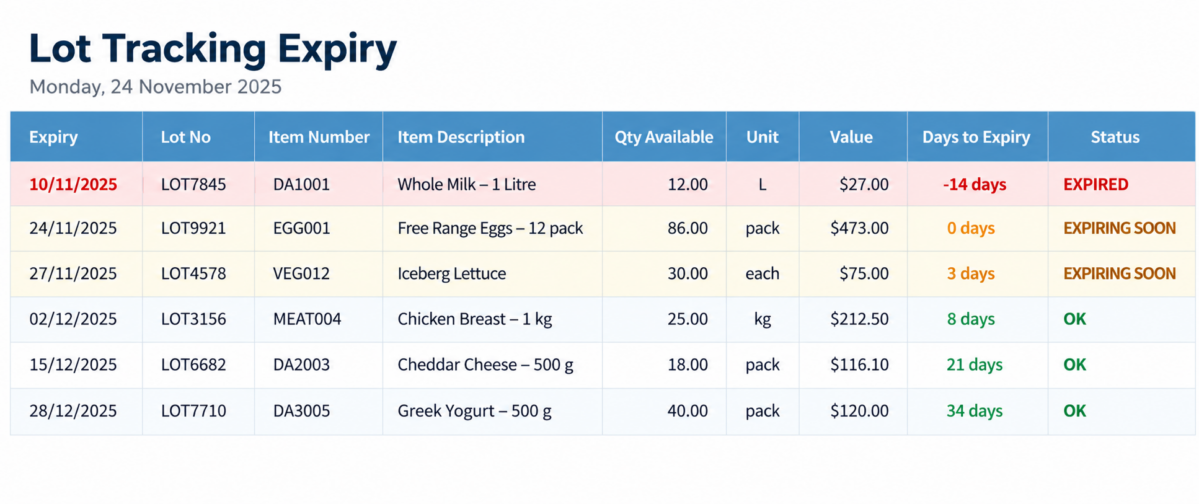
Key tools included expiry tracking dashboards that caught issues early and supplier performance reports that highlighted delivery bottlenecks. The result? A calmer, more responsive factory floor.
Solver Makes It Work
When I joined Turtle Bay I designed the same reports in Solver. It took a fraction of the time, compared to the time it took to do it with pivot tables and I was able to add significantly more functionality. Solver reporting doesn’t replace your accounting system—it enhances it. Production managers, pricing leads, and other team members can safely interact with data without exposing sensitive financials.
With the right reports, the chaos of inventory management becomes a smooth, data-driven process—and teams feel the difference.