Implementing a financial reporting and budgeting solution is only the beginning. As a business grows, its reporting requirements change, processes evolve and new opportunities emerge to improve efficiency. Yet many organisations continue to use their systems in much the same way they did when they were first implemented, often unaware of the additional value they could be gaining.
The challenge is not necessarily the technology. It is having the time, expertise and opportunity to continually improve how it is used.
The Hidden Cost of Reactive Support
Traditional support arrangements tend to focus on keeping systems operational. When something breaks, a report needs changing or a new requirement emerges, the client contacts their support provider and the work is quoted or billed accordingly.
This model serves an important purpose, but it can also create an unintended barrier to improvement.
When every enhancement, automation or reporting change represents an additional expense, businesses may postpone improvements that could save them considerable time in the long run. Teams continue working around inefficient processes, manually manipulating data or maintaining spreadsheets that could potentially be replaced by automated reporting.
Over time, these workarounds become embedded in everyday operations. What began as a temporary solution becomes business as usual.
The real cost is not just the hours spent on manual tasks. It is the opportunity cost of what those hours could have been used for instead.
From Maintaining Systems to Eliminating Pain Points
Consider the month-end reporting process. In some organisations, closing the books and preparing management reports can consume weeks of staff time. Manual reconciliations, spreadsheet manipulation and the preparation of recurring reports can all contribute to the workload.
But what if the focus shifted from completing these tasks more efficiently to questioning why they were necessary in the first place?
Identifying the underlying pain points creates opportunities to streamline processes, automate repetitive work and make information available when it is needed, rather than days or weeks after the event.
The benefits can be substantial. More timely reporting supports better decision-making. Automated processes reduce manual effort and the risk of errors. And the time released can be redirected towards analysis, forecasting and activities that add greater value to the business.
This is not just a theoretical benefit. I have experienced firsthand what can be achieved by taking this approach.
When I first arrived in my previous role, month-end was a lengthy process, with stocktake reconciliation alone often consuming the entire month. By the time I left, we had transformed the process. Most management reports were available throughout the month rather than being restricted to month-end, while stocktake reconciliation was completed within 3–5 days, with a significant improvement in accuracy.
We also dramatically simplified inventory replenishment and costing. Stock issues were easy to identify and address before they became bigger problems, and we eliminated the need to hold excess stock. Simplified costing processes also meant we could identify cost changes earlier and adjust pricing before they became a problem, rather than discovering the impact after the fact. Together, these improvements freed up working capital and substantially improved cash flow at a time when the business was navigating an economic downturn.
This is the value of a continuous improvement approach. Instead of constantly firefighting and reacting to problems after they occur, the business moved towards a proactive model where issues could be identified early, decisions made sooner and corrective action taken before problems escalated.
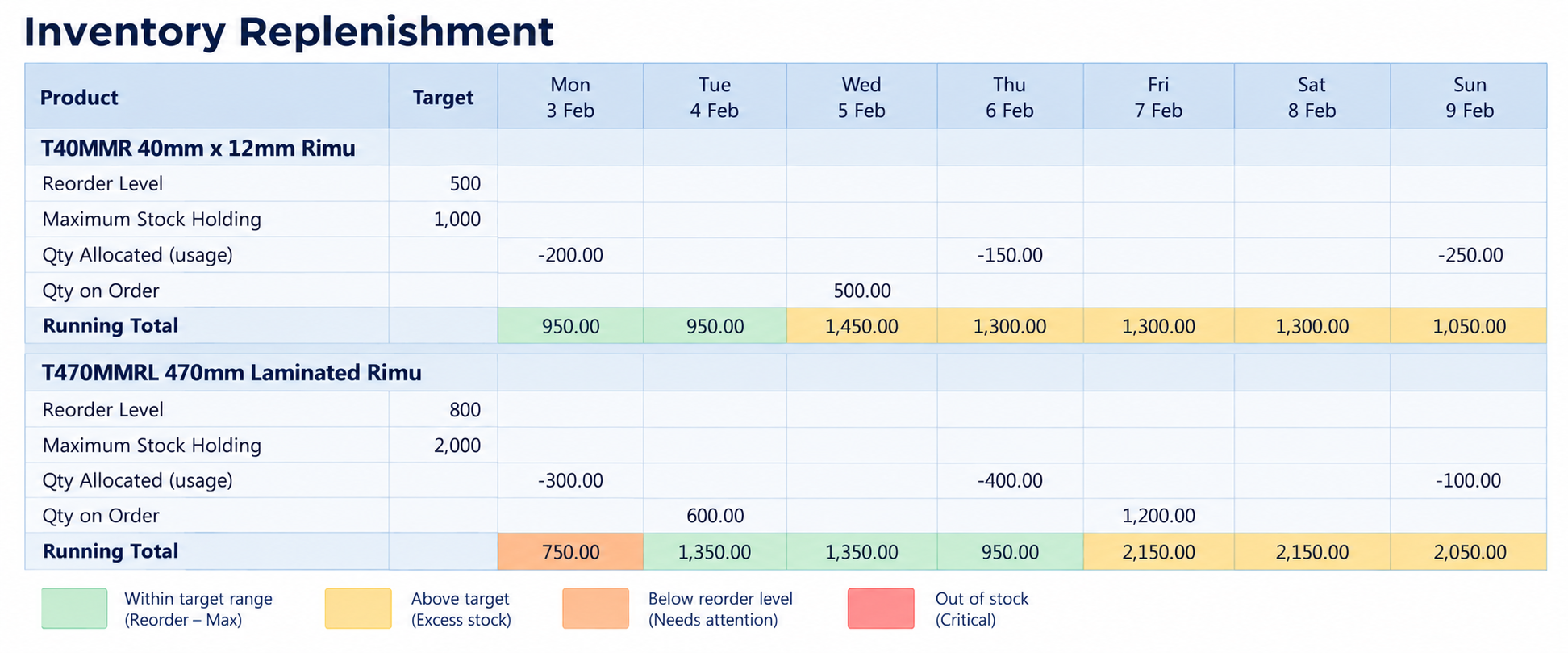
We also automated manual management reports that previously involved copying data from the accounting system into spreadsheets. Instead of working with information that was already several days out of date, management could access these reports throughout the month.
By eliminating manual processes and addressing the underlying pain points, we freed up valuable time that could be invested in building a system that genuinely worked for the business and supported better decision-making.
The lesson was simple: improving a process is not just about saving time. It is about what the business can achieve with the time it gets back.
Bringing Your Business Data Together
Another opportunity lies in how businesses access and use their information.
Many organisations rely on multiple systems to manage different parts of their operations. Financial information may sit in an accounting system, while other operational data is held in separate applications and spreadsheets. Bringing this information together for reporting can involve considerable manual effort, and getting a complete picture of business performance can be challenging.
Solver can bring information together from multiple business systems, giving you a single place to access the data you need for reporting, budgeting and planning. Instead of spending hours gathering information from different systems and copying it into spreadsheets, you can have the information brought together for you.
This saves time, reduces manual work and gives you a clearer picture of how your business is performing, helping you make better-informed decisions.
However, having the technology available is only part of the solution. The real opportunity comes from understanding how it can be applied to your business, identifying where improvements will have the greatest impact and putting those improvements into practice.
Making Continuous Improvement Part of the Plan
Solver offers capabilities across financial reporting, budgeting, forecasting, data integration and analysis. As businesses change, there may be opportunities to extend their use of the platform, automate existing processes or improve the way information is presented to decision-makers.
However, clients cannot always be expected to know what is possible. They are focused on running their businesses, while their Solver partner continually develops expertise across the platform and discovers new ways to solve business problems.
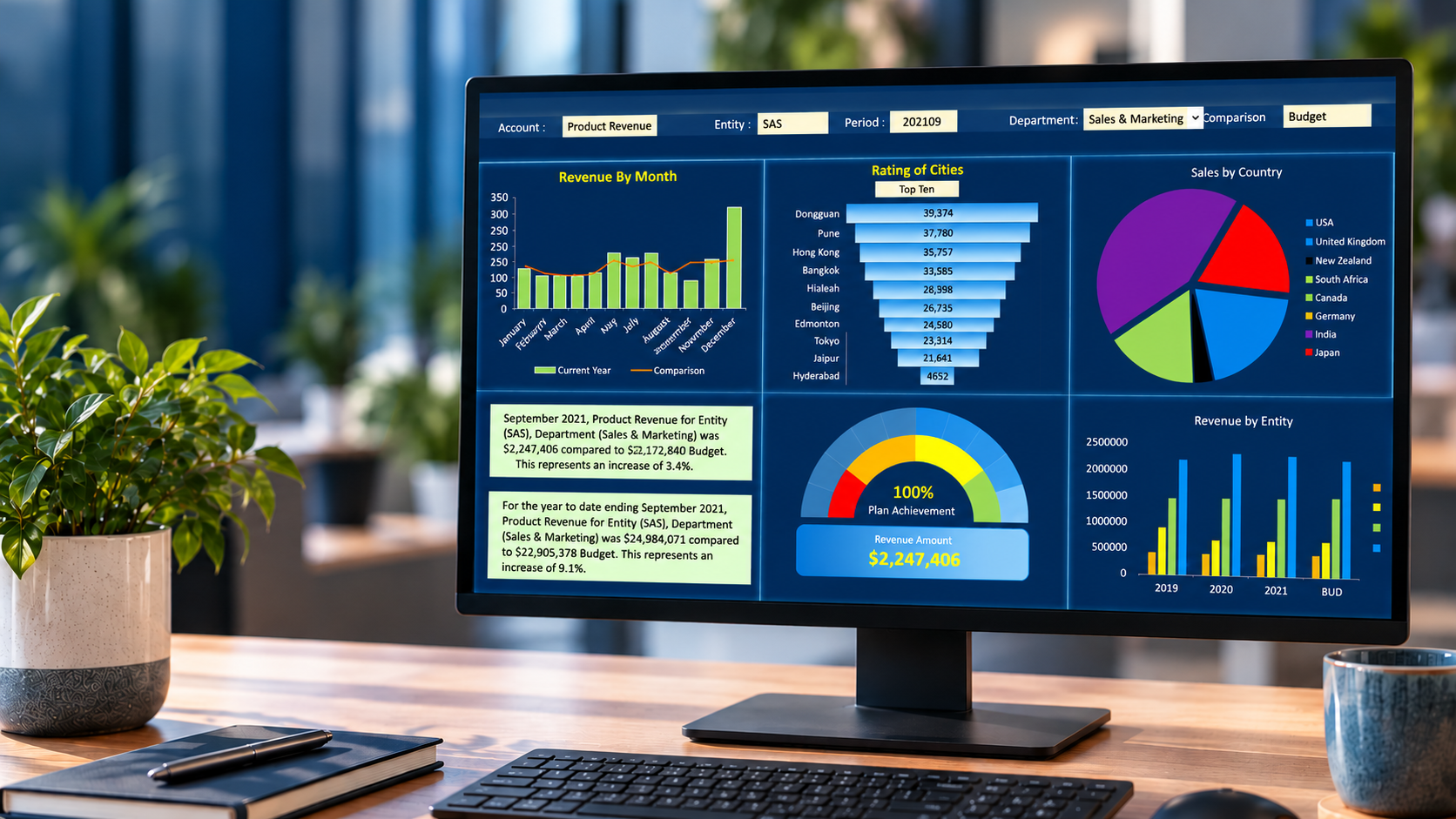
A proactive support relationship brings these perspectives together.
Rather than waiting for a client to identify a problem and request a solution, regular engagement can uncover inefficiencies, introduce relevant functionality and identify improvements that align with changing business needs.
This approach turns support from a largely reactive service into an ongoing investment in operational efficiency.
A Support Model That Grows with Your Business
One way to make this approach practical is through a tiered support structure that combines essential technical support with progressively greater levels of consulting, training and continuous improvement.
An organisation that primarily needs assistance with troubleshooting and maintenance will have different requirements from one that wants regular report development, automation or a fully managed Solver environment.
A tiered model allows businesses to select a level of service that suits their needs and budget, while providing a pathway to expand the relationship as those needs evolve.
With consulting capacity included in a planned monthly investment, businesses can budget for continuous improvements rather than treating every enhancement as an unexpected expense. Time can be allocated to investigating pain points, improving reporting, automating repetitive tasks and making better use of the capabilities already available within Solver.
As the business grows, its requirements change. Support can change with it, from essential assistance through to ongoing development and a more comprehensive, managed service.
The objective is to build a partnership in which both parties are focused on getting the best possible results from the system, rather than simply responding to requests as they arise.
The Value Goes Beyond the Software
The ultimate objective is not simply to use more features or produce more reports. It is to help organisations make better use of their resources, obtain more timely information and reduce the effort required to support decision-making.
For the client, this means greater value from an existing investment and fewer resources tied up in repetitive manual processes. For the support provider, it creates a closer working relationship, a better understanding of the client’s business and opportunities to deliver measurable improvements over time.
Most importantly, it establishes continuous improvement as an ongoing activity rather than something that happens only when a problem becomes too difficult to ignore.
The question is not just whether your Solver system is working. It is whether it is working as effectively as it could for your business.
Is Your Business Getting the Most from Solver?
If you’re spending too much time on manual processes, working with disconnected data or wondering whether you’re getting everything you could from Solver, we’d welcome a conversation.
We can work alongside you through a tiered support structure designed to suit your current needs, budget and business goals. Whether you’re looking to streamline existing processes, improve reporting, automate manual tasks or build a solution that supports future growth, we can help you identify the opportunities and plan the next steps.
Get in touch with our team to discuss your current challenges and explore how we can partner with you to get more value from Solver and support the growth of your business.